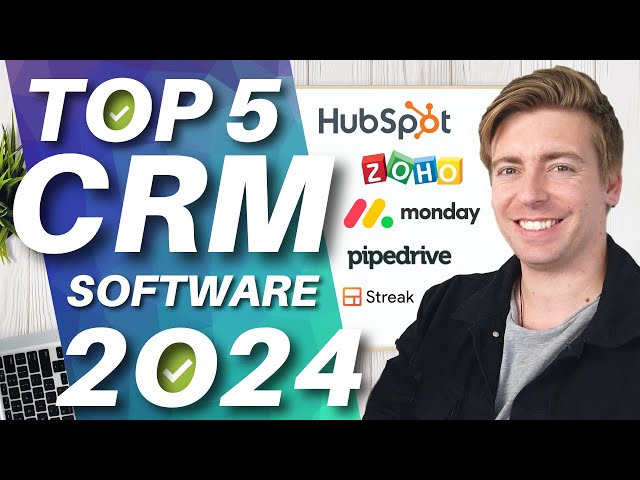
CRM sales automation software streamlines and automates sales processes, increasing efficiency and productivity. It is a type of customer relationship management (CRM) software that specifically focuses on automating sales-related tasks, such as lead generation, lead qualification, contact management, opportunity tracking, and sales forecasting. By automating these tasks, sales teams can save time, improve accuracy, and gain valuable insights into their sales pipeline. Example includes Salesforce, HubSpot, and Zoho CRM.
CRM sales automation software offers many benefits, including:
- Increased sales productivity
- Improved sales accuracy
- Enhanced visibility into the sales pipeline
- Improved customer relationships
- Reduced costs
Historically, sales teams relied on manual processes to manage their sales pipeline. This was often a time-consuming and error-prone process. CRM sales automation software has revolutionized the way sales teams operate, allowing them to automate many of these tasks and focus on more strategic initiatives.
In this article, we will explore the different types of CRM sales automation software, the benefits of using CRM sales automation software, and how to choose the right CRM sales automation software for your business.
CRM Sales Automation Software
CRM sales automation software is a powerful tool that can help businesses of all sizes streamline their sales processes, increase productivity, and close more deals. Here are 7 key aspects of CRM sales automation software that businesses should consider:
- Lead generation: CRM sales automation software can help businesses generate leads from a variety of sources, including websites, social media, and email marketing.
- Lead qualification: CRM sales automation software can help businesses qualify leads and identify which ones are most likely to convert into customers.
- Contact management: CRM sales automation software can help businesses manage their contacts and track their interactions with each contact.
- Opportunity tracking: CRM sales automation software can help businesses track their sales opportunities and identify which ones are most likely to close.
- Sales forecasting: CRM sales automation software can help businesses forecast their sales and identify trends that can help them make better decisions.
- Reporting: CRM sales automation software can help businesses generate reports on their sales performance and identify areas for improvement.
- Integration: CRM sales automation software can integrate with other business systems, such as ERP and marketing automation software, to provide a complete view of the customer journey.
These are just a few of the key aspects of CRM sales automation software that businesses should consider. By understanding these aspects, businesses can make informed decisions about whether or not to implement CRM sales automation software and how to get the most out of it.
Lead generation
Lead generation is the lifeblood of any sales organization. Without a steady stream of qualified leads, it is difficult to close deals and grow revenue. CRM sales automation software can help businesses generate leads from a variety of sources, including websites, social media, and email marketing. This can help businesses reach a wider audience, generate more leads, and close more deals.
- Website lead generation: CRM sales automation software can help businesses generate leads from their website by providing forms that visitors can fill out to request more information. These forms can be customized to collect any information that the business needs, such as name, email address, phone number, and company.
- Social media lead generation: CRM sales automation software can help businesses generate leads from social media by allowing them to create and manage social media campaigns. These campaigns can be used to promote the business’s products or services, generate leads, and drive traffic to the business’s website.
- Email marketing lead generation: CRM sales automation software can help businesses generate leads from email marketing by allowing them to create and manage email campaigns. These campaigns can be used to promote the business’s products or services, generate leads, and nurture relationships with potential customers.
CRM sales automation software can be a valuable tool for businesses of all sizes. By using CRM sales automation software, businesses can generate more leads, close more deals, and grow revenue.
Lead qualification
Lead qualification is the process of identifying which leads are most likely to convert into customers. This is an important step in the sales process, as it allows businesses to focus their time and resources on the leads that are most likely to close. CRM sales automation software can help businesses qualify leads by providing them with a variety of tools and features, such as:
- Lead scoring: Lead scoring is a system for assigning points to leads based on their characteristics and behavior. This can help businesses prioritize leads and identify the ones that are most likely to convert into customers.
- Lead tracking: Lead tracking allows businesses to track the progress of leads through the sales pipeline. This can help businesses identify which leads are moving forward and which ones are falling behind.
- Lead nurturing: Lead nurturing is the process of developing relationships with leads and moving them closer to becoming customers. CRM sales automation software can help businesses automate lead nurturing campaigns and track the results.
By using CRM sales automation software, businesses can qualify leads more effectively and identify the ones that are most likely to convert into customers. This can lead to a higher sales conversion rate and increased revenue.
Contact management
Contact management is a critical component of CRM sales automation software. It allows businesses to store and organize information about their contacts, including their name, email address, phone number, company, and job title. This information can be used to track interactions with each contact, such as phone calls, emails, and meetings. This information can then be used to build relationships with customers, close deals, and grow revenue.
For example, a sales representative can use CRM sales automation software to track the interactions they have with a customer. This information can be used to identify opportunities to follow up with the customer, provide them with additional information, or close the deal. CRM sales automation software can also be used to track the status of sales opportunities and identify which ones are most likely to close. This information can be used to prioritize sales efforts and focus on the opportunities that are most likely to generate revenue.
Contact management is an essential part of CRM sales automation software. By using CRM sales automation software, businesses can manage their contacts more effectively, track their interactions with each contact, and build stronger relationships with their customers.
Opportunity tracking
Opportunity tracking is a key component of CRM sales automation software. It allows businesses to track the progress of their sales opportunities and identify which ones are most likely to close. This information can be used to prioritize sales efforts and focus on the opportunities that are most likely to generate revenue.
- Sales pipeline visibility: CRM sales automation software provides businesses with a clear view of their sales pipeline. This allows them to see which opportunities are in each stage of the pipeline and identify any bottlenecks or delays. This information can be used to improve the sales process and increase the number of closed deals.
- Sales forecasting: CRM sales automation software can be used to forecast sales and identify trends. This information can be used to make better decisions about resource allocation and marketing campaigns.
- Win probability: CRM sales automation software can help businesses calculate the win probability of each sales opportunity. This information can be used to prioritize sales efforts and focus on the opportunities that are most likely to close.
- Close date tracking: CRM sales automation software can help businesses track the close date of each sales opportunity. This information can be used to identify opportunities that are at risk of slipping and take corrective action.
Opportunity tracking is an essential part of CRM sales automation software. By using CRM sales automation software, businesses can track their sales opportunities more effectively and identify which ones are most likely to close. This can lead to a higher sales conversion rate and increased revenue.
Sales forecasting
Sales forecasting is a critical component of CRM sales automation software. It allows businesses to forecast their sales and identify trends that can help them make better decisions. This information can be used to improve the sales process, allocate resources more effectively, and increase revenue.
For example, a business can use CRM sales automation software to track its sales data over time. This data can be used to identify trends, such as seasonal fluctuations or the impact of marketing campaigns. This information can then be used to make better decisions about future sales activities.
CRM sales automation software can also be used to forecast sales for individual sales representatives or teams. This information can be used to set sales targets, evaluate performance, and identify areas for improvement.
Sales forecasting is an essential part of CRM sales automation software. By using CRM sales automation software, businesses can forecast their sales more accurately and make better decisions. This can lead to increased revenue and improved profitability.
Reporting
Reporting is a critical component of CRM sales automation software. It allows businesses to track their sales performance and identify areas for improvement. This information can be used to make better decisions about sales strategies, allocate resources more effectively, and increase revenue.
CRM sales automation software can generate a variety of reports, including:
- Sales pipeline reports: These reports show the status of all sales opportunities in the pipeline. This information can be used to identify bottlenecks and delays, and to forecast sales.
- Sales performance reports: These reports show the performance of individual sales representatives and teams. This information can be used to evaluate performance and identify areas for improvement.
- Customer churn reports: These reports show the number of customers who have stopped doing business with the company. This information can be used to identify the reasons for churn and to develop strategies to reduce it.
Reporting is an essential part of CRM sales automation software. By using CRM sales automation software, businesses can track their sales performance more effectively and identify areas for improvement. This can lead to increased revenue and improved profitability.
For example, a business can use CRM sales automation software to generate a report on its sales pipeline. This report can show the status of all sales opportunities in the pipeline, as well as the average sales cycle length. This information can be used to identify bottlenecks and delays in the sales process, and to make changes to improve the process.
Another example is a business that uses CRM sales automation software to generate a report on its sales performance. This report can show the performance of individual sales representatives and teams, as well as the average sales close rate. This information can be used to evaluate performance and identify areas for improvement.
Reporting is a powerful tool that can help businesses improve their sales performance. By using CRM sales automation software, businesses can generate reports on their sales performance and identify areas for improvement. This information can be used to make better decisions about sales strategies, allocate resources more effectively, and increase revenue.
Integration
Integration is a key aspect of CRM sales automation software. It allows businesses to connect their CRM system with other business systems, such as ERP and marketing automation software. This provides a complete view of the customer journey, from lead generation to sales to customer service. Integration can help businesses improve their sales performance, marketing campaigns, and customer service.
- Improved sales performance: Integration can help businesses improve their sales performance by providing a complete view of the customer journey. This allows sales representatives to track customer interactions across all channels, identify opportunities, and close deals faster.
- More effective marketing campaigns: Integration can help businesses create more effective marketing campaigns by providing insights into customer behavior. This allows marketers to target their campaigns more effectively and measure the results of their campaigns.
- Improved customer service: Integration can help businesses improve their customer service by providing a complete view of the customer journey. This allows customer service representatives to quickly and easily access customer information and resolve customer issues.
Overall, integration is a key aspect of CRM sales automation software that can help businesses improve their sales performance, marketing campaigns, and customer service.
CRM Sales Automation Software FAQs
In this section, we will answer some of the most frequently asked questions about CRM sales automation software.
Question 1: What is CRM sales automation software?
CRM sales automation software is a type of customer relationship management (CRM) software that specifically focuses on automating sales-related tasks, such as lead generation, lead qualification, contact management, opportunity tracking, and sales forecasting.
Question 2: What are the benefits of using CRM sales automation software?
CRM sales automation software offers many benefits, including increased sales productivity, improved sales accuracy, enhanced visibility into the sales pipeline, improved customer relationships, and reduced costs.
Question 3: How does CRM sales automation software work?
CRM sales automation software typically works by integrating with a company’s existing CRM system. Once integrated, the software can automate a variety of sales-related tasks, such as lead generation, lead qualification, contact management, opportunity tracking, and sales forecasting.
Question 4: Is CRM sales automation software right for my business?
CRM sales automation software can be beneficial for businesses of all sizes. However, it is important to carefully consider your business’s needs before investing in CRM sales automation software.
Question 5: How much does CRM sales automation software cost?
The cost of CRM sales automation software can vary depending on the features and functionality of the software. However, most CRM sales automation software solutions are priced on a monthly subscription basis.
Question 6: What are some of the leading CRM sales automation software solutions?
Some of the leading CRM sales automation software solutions include Salesforce, HubSpot, and Zoho CRM.
Summary of key takeaways or final thought: CRM sales automation software can be a valuable tool for businesses of all sizes. By automating sales-related tasks, CRM sales automation software can help businesses increase sales productivity, improve sales accuracy, and gain valuable insights into their sales pipeline.
Transition to the next article section: Now that we have answered some of the most frequently asked questions about CRM sales automation software, we will take a closer look at the benefits of using CRM sales automation software.
Tips for Using CRM Sales Automation Software
CRM sales automation software can be a powerful tool for businesses of all sizes. However, it is important to use the software effectively in order to maximize its benefits.
Here are five tips for using CRM sales automation software effectively:
Tip 1: Define your sales process
Before you start using CRM sales automation software, it is important to define your sales process. This will help you to determine which features of the software are most important to you and how you will use the software to automate your sales process.Tip 2: Clean your data
One of the most important things you can do to ensure the success of your CRM sales automation software implementation is to clean your data. This means removing duplicate records, correcting errors, and ensuring that all of your data is up-to-date.Tip 3: Train your team
It is important to train your sales team on how to use CRM sales automation software. This will help them to get the most out of the software and to avoid making mistakes.Tip 4: Integrate your CRM with other systems
CRM sales automation software can be integrated with other business systems, such as ERP and marketing automation software. This can help you to create a complete view of the customer journey and to improve your sales performance.Tip 5: Use reporting and analytics
CRM sales automation software typically provides reporting and analytics features. These features can help you to track your sales performance and to identify areas for improvement.
By following these tips, you can ensure that you are using CRM sales automation software effectively and that you are maximizing its benefits.
Summary of key takeaways or benefits
CRM sales automation software can help businesses of all sizes to improve their sales performance. By following these tips, you can ensure that you are using CRM sales automation software effectively and that you are maximizing its benefits.
Transition to the article’s conclusion
CRM sales automation software can be a valuable tool for businesses of all sizes. By using the software effectively, you can improve your sales performance, increase your sales accuracy, and gain valuable insights into your sales pipeline.
Conclusion
CRM sales automation software has emerged as a powerful tool for businesses of all sizes to streamline their sales processes, increase productivity, and improve customer relationships. This article has explored the different aspects of CRM sales automation software, including lead generation, lead qualification, contact management, opportunity tracking, sales forecasting, reporting, and integration. By understanding these aspects, businesses can make informed decisions about whether or not to implement CRM sales automation software and how to get the most out of it.
As technology continues to evolve, CRM sales automation software will continue to play an increasingly important role in the sales process. Businesses that are able to effectively use CRM sales automation software will be well-positioned to succeed in the competitive global marketplace.
Youtube Video: